TL;DR: The most durable types of roofs for homes in Oklahoma are architectural and Class 4 impact-resistant asphalt shingles, metal, and synthetic slate or shake, but only when they go on over good ventilation, underlayment and flashing. Class 4 shingles can earn an insurance discount, and many carriers offer one, so ask yours. After a storm, a roofer documents the damage while you file and own the claim.
Choosing among the types of roofs for homes in Oklahoma is a storm decision as much as a style decision. In the Southern Plains, your roof is more than a finishing touch on your home’s architecture. It is a shield against some of the most volatile weather in the country. From the UV of an August afternoon to the hail cores that mark an Oklahoma spring, the demands on your home are immense. Oklahoma recorded 216 major hail events of one inch or larger in 2025, eighth in the nation. Homeowners researching roofing materials often find themselves caught between the look they want and the reality of storm durability.
The challenge is choosing a material that doesn’t just look good in a brochure but can also hold through straight-line winds like the 70-mph gusts that crossed OKC, Edmond and Yukon on May 2, 2022. At Prodigy Restoration, we know that “standard” isn’t enough for our region. This guide explains the technical differences between roofing materials so you can make an investment that protects your equity and your family. Our roof replacement page covers how we install them.
The Evolution of the Asphalt Shingle: Balancing Cost and Resilience
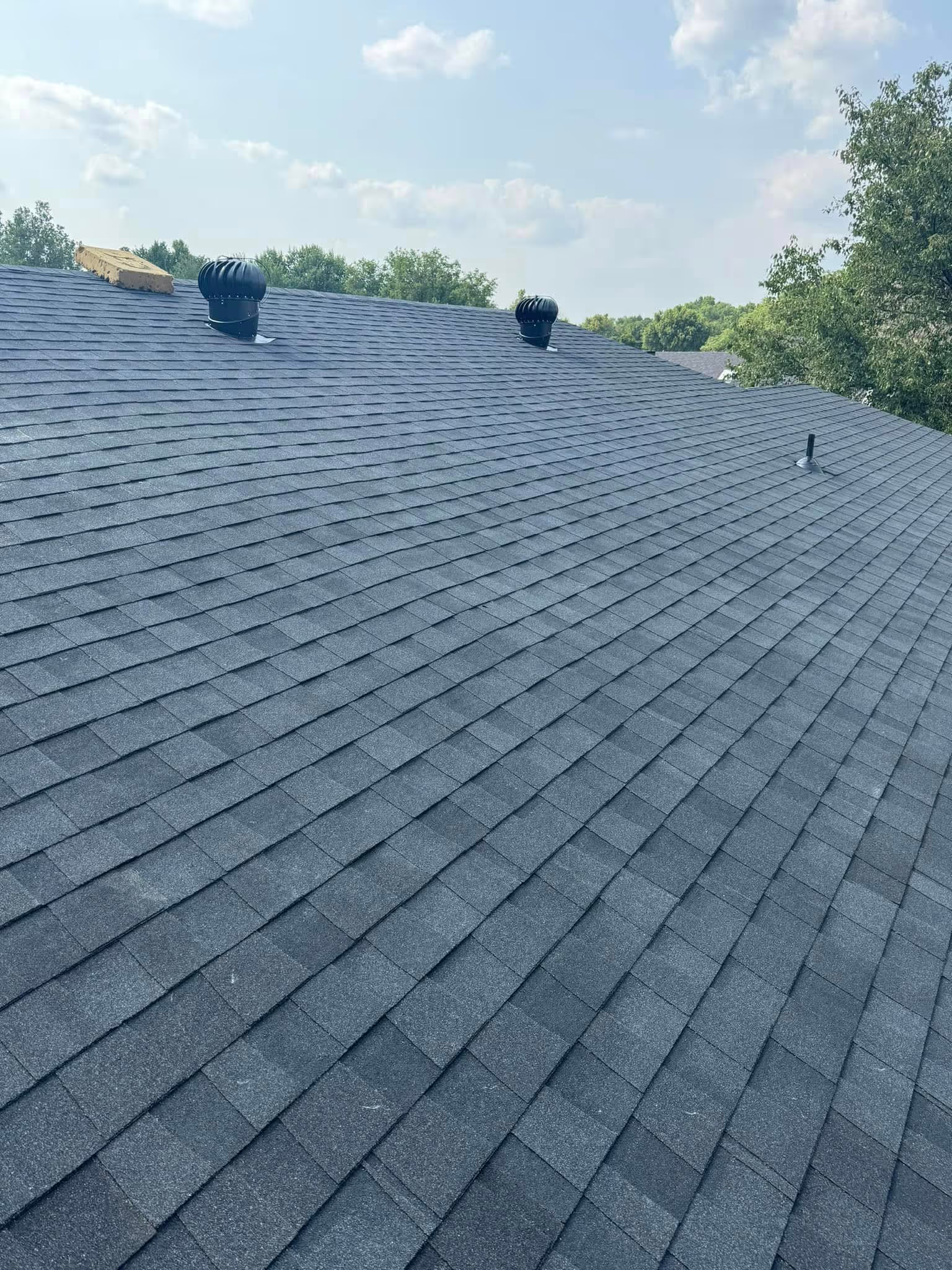
Asphalt shingles remain the most common choice among the different types of roofs for homes in Oklahoma because of their lower upfront cost and versatility. However, “asphalt” is a broad category that ranges from entry-level products to engineered systems. A local planning guide puts realistic Oklahoma service life at about 12 to 18 years for three-tab shingles, compared with about 18 to 28 years for architectural shingles.
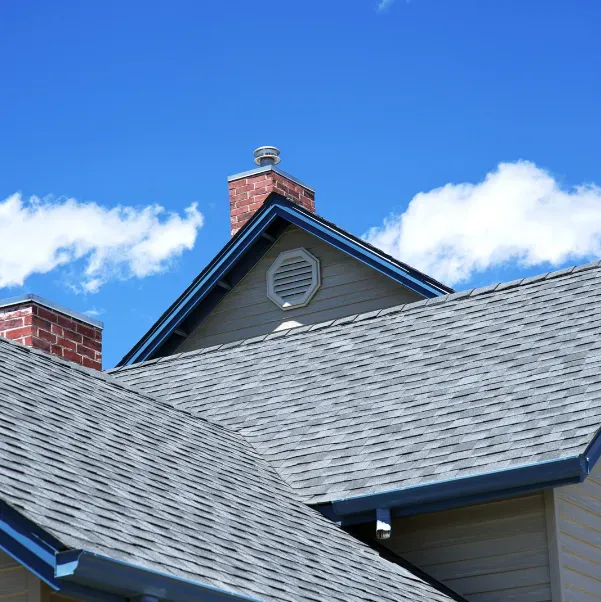
Architectural, or laminated, shingles bond multiple layers together to create depth and strength. Their heavier profile generally holds up better in wind than flat three-tab shingles. But even within the architectural category, there is a tier of protection every Oklahoma homeowner should consider to break the cycle of constant repair.
Why Class 4 Impact Resistant Shingles Are the Gold Standard
If you are looking at roofing materials after a hailstorm, the term “Class 4” will come up. It is not just a marketing term. It is the top rating in the UL 2218 impact test, where steel balls are dropped onto the roofing to simulate hail. Class 4 products are built to take those impacts without cracking. The same local guide puts Class 4 service life at about 22 to 30 years in Oklahoma.
The SBS Polymer Difference
The secret to this resilience is often SBS (styrene-butadiene-styrene), known as “rubberized asphalt.” By blending these polymers into the asphalt, manufacturers create a shingle that is flexible rather than brittle. Owens Corning’s Duration FLEX, for example, is SBS-modified, carries UL 2218 and FM 4473 Class 4 ratings, and was rated “Good” by the Insurance Institute for Business & Home Safety in 2025. In a climate with hot summers and dozens of freezing days a year, that flexibility helps shingles ride out expansion and contraction.
The Financial Advantage: Insurance Premium Credits
A strong reason to choose Class 4 impact resistant shingles is the insurance discount. The Oklahoma Insurance Department says many companies give a 25% discount for Class 4 shingles. Oklahoma also has some of the most expensive homeowners insurance in the country, so the savings can add up over the life of the roof. Discounts are carrier-specific and may apply only to the wind and hail portion of the premium, so confirm with your carrier before you decide.
The Strategic Importance of Professional Roof Ventilation Solutions
Regardless of the roof you select, the system will fail early if it cannot breathe. Excess attic heat is one of the silent killers of roofs in our area. UV and poor intake or exhaust ventilation speed up curling and cracking, especially on south and west slopes, and the shingles lose their protective granules faster.
Balancing Intake and Exhaust
Proper roof ventilation solutions balance intake air at the eaves (soffits) with exhaust air at the ridge. Older Oklahoma homes are sometimes “choked” by insulation that blocks the soffit vents. Clearing those paths keeps air moving, which preserves the shingles and can ease the load on your HVAC system.
Moisture Control in the Winter months
Ventilation matters in winter too. Without airflow, warm air from your living space migrates into the attic, condenses on the cold underside of the roof deck, and leads to mold or wood rot. A balanced ventilation system protects your rafters and decking for the long haul.
Navigating Storm Damage Restoration with Expert Guidance
For many homeowners, the search for a new roof begins with an emergency. When a storm leaves your home exposed, you need a roofer who can show clearly what happened. Storm damage restoration sits where construction and insurance meet, and it rewards careful documentation. Our storm damage restoration page explains the full sequence.
Identifying Functional vs. Cosmetic Damage
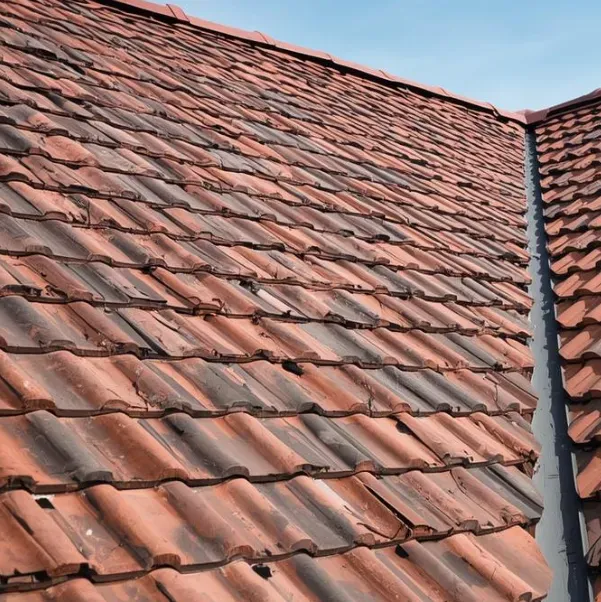
Not all hail damage is visible from the ground. A hail “bruise” on a shingle can look like a small dark spot, but a soft spot or fractured mat underneath is functional damage. Granule loss alone can be cosmetic or normal aging. We inspect each slope and document functional damage with photos so it is on the record when your adjuster looks at the roof.
Claim Support Through Documentation
Clear documentation helps an adjuster see what the storm did. We provide photos, measurements and a line-item scope, meet your adjuster on the roof, and submit supplements for items in our estimate that were missed. You file and own the claim, and your policy decides what it pays. Oklahoma law doesn’t let a roofer negotiate your settlement, so a coverage dispute belongs with a licensed public adjuster or an attorney.
Synthetic and Metal Alternatives: High-End Durability
While asphalt is the most common choice, other roofs are gaining ground among homeowners who want a longer-lasting system. Metal roofing offers strong wind resistance and energy efficiency. Its surface reflects solar heat, which helps during an Oklahoma summer. For a closer look, read our guide to metal roofing installation for Oklahoma homes.
Synthetic Slate and Shake
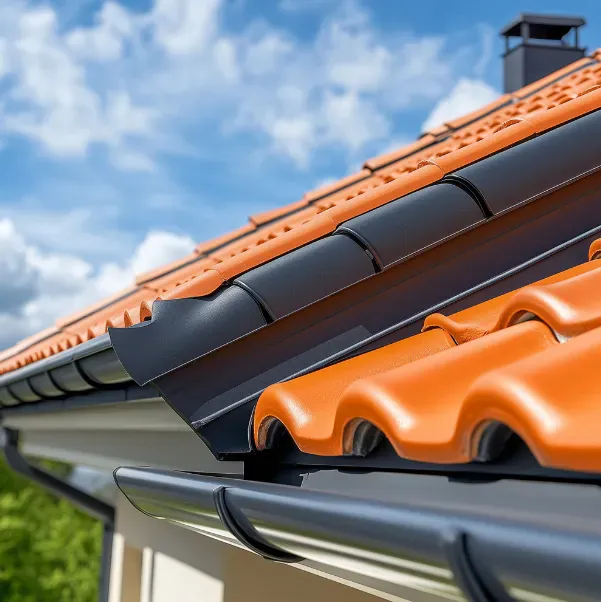
For those who love the look of natural wood shake or slate but not the maintenance or fire risk, synthetic options are a good alternative. These products are usually made from polymers, and many carry impact ratings, so check the UL 2218 class on the specific product. They offer a high-end look that suits historic Oklahoma City neighborhoods like Mesta Park or Heritage Hills.
The Prodigy Approach: Why Installation Quality Is the Final Variable
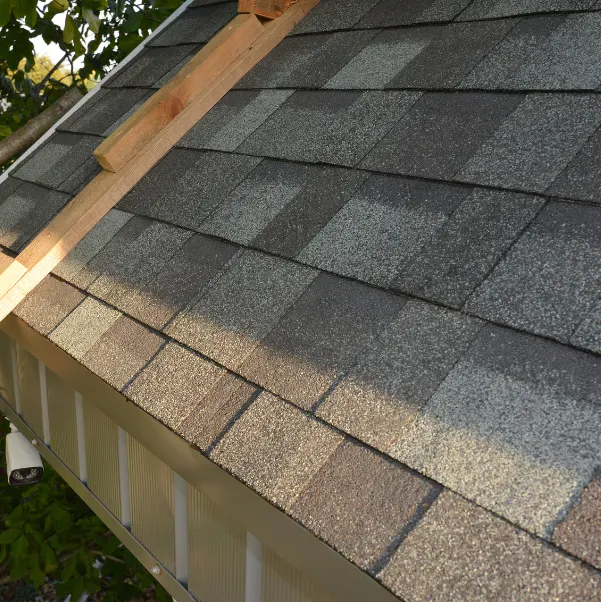
You could buy the most expensive materials on the market, but if the installation is flawed, the roof will fail. Fastening matters most in wind. Ask whether your installer follows the manufacturer’s high-wind nailing pattern, because that is what keeps shingles in place when the sirens go off.
Underlayment: Your Secondary Defense
What you can’t see matters too. Synthetic underlayment resists tearing and water uptake better than felt, which counts in Oklahoma wind. A self-adhered ice-and-water membrane in valleys and around chimneys and other penetrations adds protection at the spots that leak first. If a shingle is damaged, this layer helps keep your home dry until a repair can be made.
Conclusion: Making an Informed Choice for Your Oklahoma Home
Choosing among the types of roofs for homes in Oklahoma affects your home’s safety, value and comfort for decades. Whether you choose Class 4 impact resistant shingles or a traditional architectural profile, the key is making sure the whole system, from the decking to the ventilation, suits the Southern Plains. Our post on choosing the right roofing material for your home goes deeper on the tradeoffs.
At Prodigy Restoration, we want to give you straight answers so you can make the roofing decision with confidence, today and after the next storm.
Protect Your Home Today
The right roof for an Oklahoma home starts with an honest look at the one you have. Prodigy Restoration is a BBB Accredited Owens Corning Preferred Contractor in Oklahoma City, and we offer free roof inspections across the metro. Call us at (405) 730-5672 or fill out our contact form.
Frequently asked questions
What is the most durable type of roof for an Oklahoma home?
For most homes, Class 4 impact-resistant shingles, metal and synthetic slate or shake hold up best to hail and wind. A local planning guide puts Class 4 shingle life at about 22 to 30 years in Oklahoma. Installation, ventilation and underlayment matter as much as the material.
What does a Class 4 rating mean?
Class 4 is the top rating in the UL 2218 impact test, where steel balls are dropped onto the roofing to simulate hail. A Class 4 product withstands those impacts without cracking. Some shingles, such as Owens Corning Duration FLEX, also carry an FM 4473 Class 4 rating.
Do Oklahoma insurers discount Class 4 roofs?
Many do. The Oklahoma Insurance Department says many companies give a 25% discount for Class 4 shingles. Discounts vary by carrier and may apply only to the wind and hail portion of your premium, so ask your carrier before you choose.
How long do asphalt shingles last in Oklahoma?
A local planning guide puts realistic Oklahoma service life at about 12 to 18 years for three-tab shingles and about 18 to 28 years for architectural shingles. Hail, heat and poor ventilation can shorten those ranges.
Why does attic ventilation matter for my roof?
Heat trapped in the attic speeds up shingle curling, cracking and granule loss, especially on south and west slopes. In winter, poor airflow lets warm, moist air condense on the roof deck and cause mold or rot. Balanced intake at the soffits and exhaust at the ridge prevents both.
Prodigy Restoration
7140 NW 112th St, Oklahoma City, OK 73162