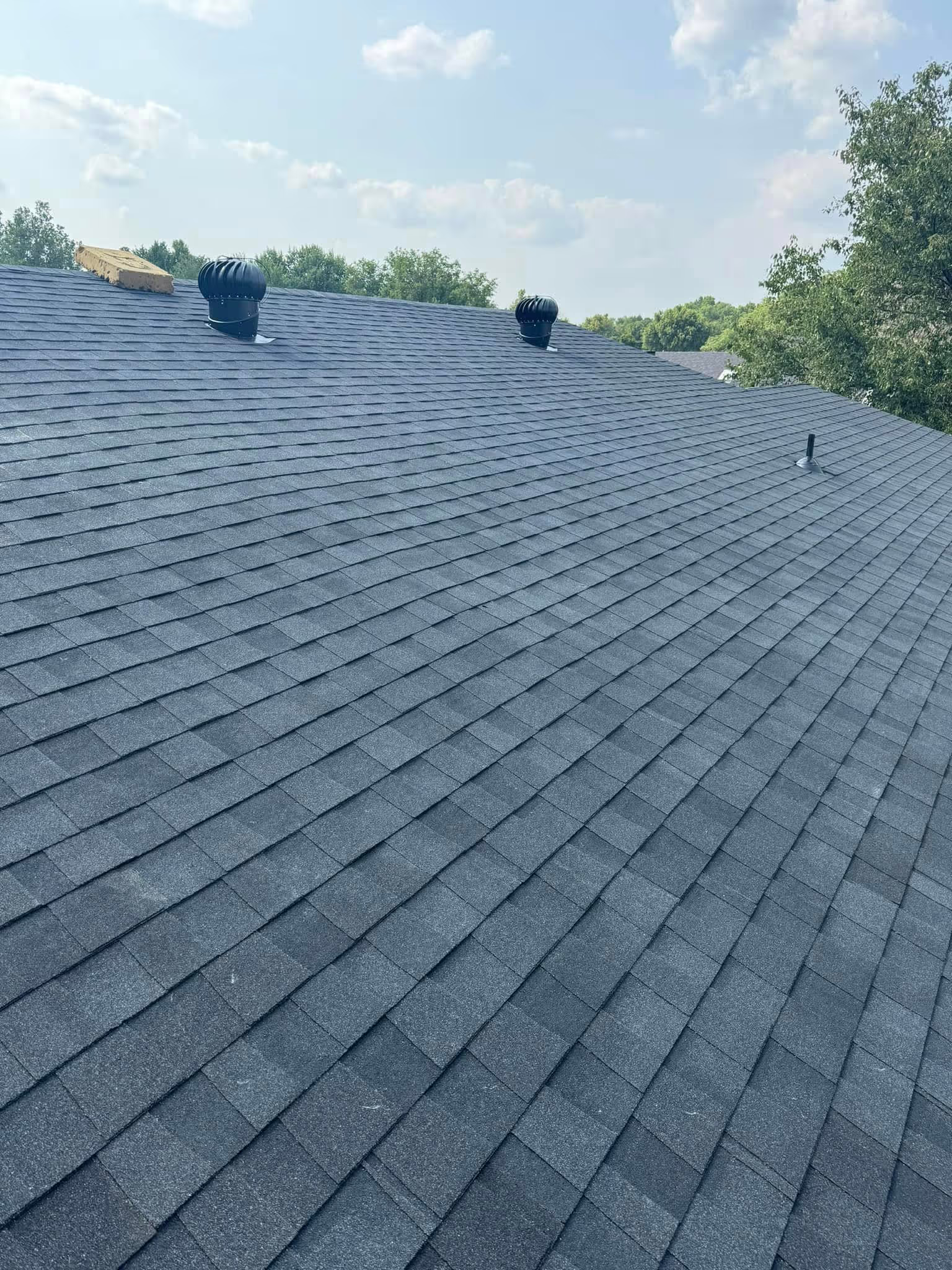
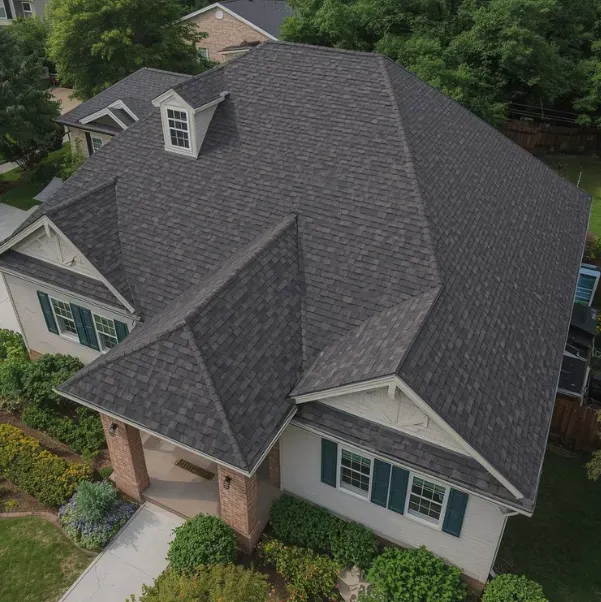
TL;DR: The strongest residential roofing options in Oklahoma are architectural shingles and Class 4 impact-resistant shingles, installed over synthetic underlayment with balanced attic ventilation and proper fastening. Many Oklahoma insurers discount Class 4 roofs, so ask your carrier. Choose a registered local roofer who documents storm damage and knows your city’s permit rules.
Selecting a new roof in Central Oklahoma is not a mere cosmetic decision; it is a defensive one. In the 405, your roof stands between your family and straight-line winds above 70 mph, baseball-size hail, and long stretches of 90-degree summer days. When homeowners start researching residential roofing options in Oklahoma City, the sheer volume of material choices and technical jargon can feel like a storm of its own.
True value in Oklahoma roofing is found where material science meets local installation practice. A roof that is code-compliant in a milder state can wear out fast here if it isn’t built for the Southern Plains. At Prodigy Restoration, we don’t just “install shingles”; we build complete roof systems designed for the weather in our region. Our roof replacement page covers how that process works.
The Evolution of Asphalt: Choosing the Right Grade of Protection
For most homeowners, asphalt remains the primary choice among residential roofing options in Oklahoma City. However, not all asphalt is created equal. The traditional three-tab shingle has a shorter life here: a local planning guide puts it at roughly 12 to 18 years in Oklahoma, against about 18 to 28 years for architectural shingles. Modern architectural shingles are the standard, but even within that category, there is a hierarchy of performance.
We encourage our clients to look beyond the color palette and focus on the mat construction. A quality architectural shingle uses a dense fiberglass mat saturated with asphalt and coated with ceramic-coated granules. These granules aren’t just for color; they protect the asphalt underneath from UV damage. In Oklahoma, where the sun is as much of a threat as the rain, granule retention is a key measure of roof longevity.
The Game-Changer: Why Class 4 Impact Resistant Shingles are Essential
If you are evaluating residential roofing options in Oklahoma City after a storm, you have likely heard the term “impact resistant.” This is not marketing fluff; Class 4 is the highest rating under the UL 2218 impact test. Standard shingles can fracture when struck by hail. That fracture lets water reach the wood decking, leading to rot that stays hidden until your ceiling starts to stain or sag.
The SBS Polymer Advantage
Many Class 4 impact resistant shingles are made with SBS (styrene-butadiene-styrene), a rubberizing polymer. It lets the shingle behave more like a trampoline than a pane of glass. When a hailstone hits an SBS-modified shingle, the material compresses and rebounds, keeping the water-shedding surface intact. Owens Corning’s Duration FLEX, an SBS-modified shingle, was rated “Good” by IBHS in its 2025 hail ratings.
Financial Incentives for Resilience
A compelling reason to choose this option is the insurance discount. The Oklahoma Insurance Department says many companies give a 25% discount for Class 4 shingles. Discounts are carrier-specific and may apply only to the wind and hail portion of your premium, so confirm with your carrier and ask for its roof certification form.
Beyond the Surface: The Critical Role of Roof Ventilation Solutions
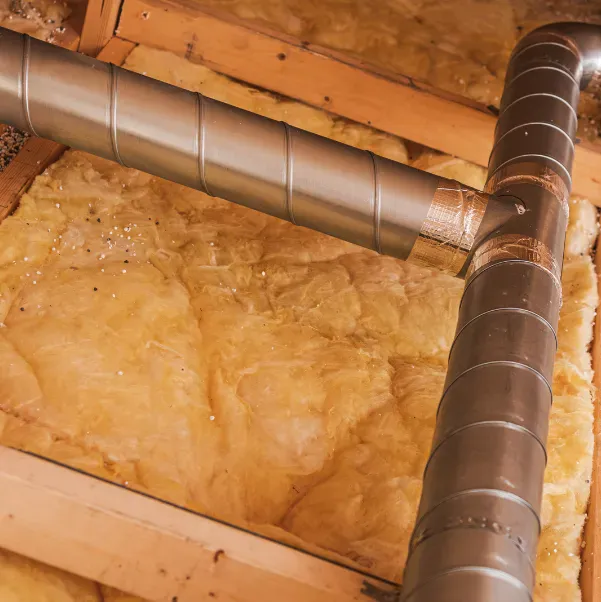
A roof is a system that needs to breathe. One of the most overlooked aspects of residential roofing options in Oklahoma City is the attic climate. During an Oklahoma August, a poorly ventilated attic gets extremely hot. That trapped heat bakes your shingles from the underside, and UV plus poor ventilation speeds up curling and cracking, especially on south and west slopes.
Balancing Intake and Exhaust
Effective roof ventilation solutions require balance. If you have too much exhaust and not enough intake, the system can pull conditioned air from your living space, increasing your cooling costs. We check intake and exhaust when we inspect a home, so that your soffit vents (intake) and ridge vents (exhaust) work together to flush out heat and moisture.
Preventing Ice Damming and Deck Rot
In the winter, proper ventilation helps prevent ice damming. Ice dams are less common in Oklahoma than in the North, but the freeze-thaw cycles we experience can cause water to back up under the shingles. Keeping the roof deck at a more even temperature helps snow and ice melt evenly, protecting your eaves and gutters.
Mastering the Art of Storm Damage Restoration
When your search for residential roofing options in Oklahoma City starts with a storm, you aren’t just looking for a roofer. You are looking for a restoration partner. Storm damage restoration involves more than swapping out damaged materials. It requires an understanding of how wind and hail affect the layers of your roof you can’t see.
Forensic Inspection Protocols
Our team doesn’t just look for missing shingles. We look for bruised mats, creased or torn tabs, and spatter marks and dents on soft metals that indicate the size and direction of the hail. We document this evidence with photos so that your insurance adjuster has a clear, factual picture of the damage. Good documentation is often the difference between a partial patch and a complete, code-compliant restoration.
Documentation and the Claim
Navigating an insurance claim can feel like a second full-time job. You file and own the claim; we inspect, document with photos, and meet your adjuster on the roof to show what we found. When the scope misses items in our estimate, such as dented gutters, flashing or ridge cap, we submit supplements with photos. If your coverage itself is disputed, a licensed public adjuster or an attorney is the right call. Our insurance claim assistance page explains what we do and don’t do.
Precision Installation: The “Six-Nail” Standard
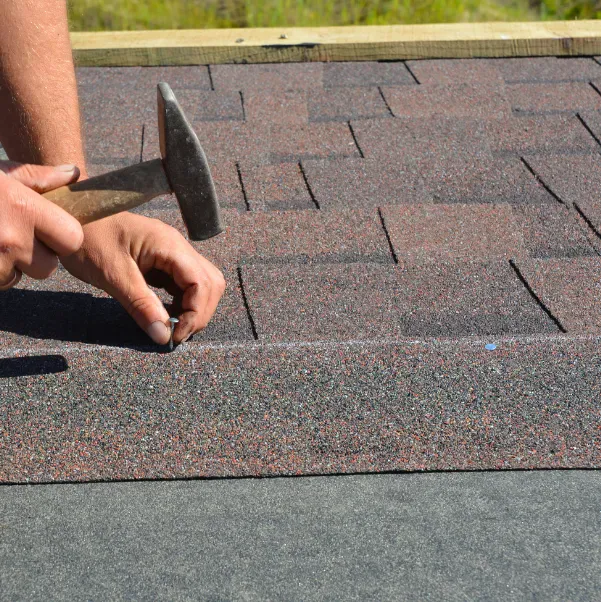
Even the most expensive residential roofing options in Oklahoma City will fail if the installation is sloppy. A standard shingle installation often calls for four nails per shingle, while many manufacturers require six for their high-wind installation. High winds create uplift that can peel shingles off the deck if they aren’t fastened correctly.
We use a six-nail fastening pattern, with each nail placed in the manufacturer’s nailing zone. We also pay special attention to the starter strip at the eaves and rakes, a common point of failure in high-wind events, and to the drip edge the building code requires there. If the perimeter is secure, the rest of the roof is far more likely to stay intact.
Underlayment: The Secret Second Layer of Defense
When comparing residential roofing options in Oklahoma City, many homeowners overlook what goes under the shingles. Traditional felt paper can tear during installation and absorb moisture, causing it to wrinkle and telegraph through your shingles.
Synthetic underlayment resists tearing and water uptake better than felt, according to the Asphalt Roofing Manufacturers Association, and it gives you a secondary barrier if a shingle blows off during a storm. We also install self-adhered ice and water membrane in critical transition zones, such as valleys, chimney bases, and skylights, where water naturally concentrates.
Aesthetic Integration: Protecting Your Curb Appeal
Modern residential roofing options in Oklahoma City include a wide range of colors and profiles, including shingles that mimic the look of wood shakes or slate without the maintenance headaches.
We help you see how different colors and styles will look on your home before a single nail is driven. Whether you live in an older neighborhood near downtown or a newer development in Edmond, check your HOA first: Edmond’s Oak Tree, for example, requires architectural review of all roof colors. We help you choose a profile that suits your architecture and passes review.
The Local Advantage: Why Homegrown Expertise Matters
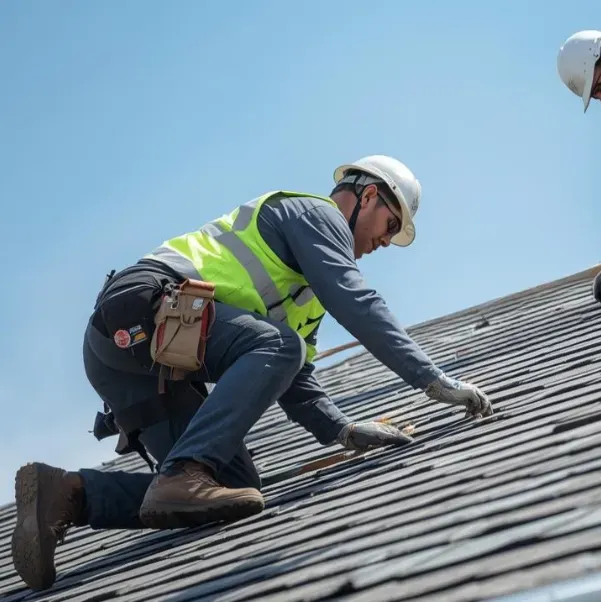
A major risk in choosing residential roofing options in Oklahoma City is the “storm chaser” contractor. These companies follow the radar across state lines, and the BBB has warned about solicitors who take insurance checks and disappear. Every roofer working in Oklahoma, including out-of-state ones, must be registered with the Construction Industries Board, so ask for the number.
Choosing a local company like Prodigy Restoration means choosing a neighbor. We know the permit rules that differ from city to city: Oklahoma City has required a reroof permit for jobs over 500 square feet since August 1, 2025 and allows only one layer of shingles, while Edmond doesn’t require a permit for roof coverings at all. We work from a permanent office in northwest Oklahoma City, so if a problem arises years from now, you know exactly where to find us.
Restoration vs. Repair: Making the Ethical Choice
Sometimes, a full replacement isn’t necessary. If your roof has minor damage but the overall system is still healthy, we will recommend a targeted repair.
However, if we find that your shingles have lost their seal or have become too brittle to survive another summer, we will be honest about the risks of waiting. A cheap repair on a failing roof is often money that could have gone toward a permanent solution. We give you photos of what we found so you can make an informed decision.
Your Home Deserves a Prodigy Defense
The Oklahoma sky is beautiful, but it is also unpredictable. Your roof shouldn’t be a source of anxiety every time the sirens go off. By choosing the right residential roofing options in Oklahoma City and a team that puts careful installation ahead of speed, you can turn your roof into a long-term asset. For a closer look at shingle performance, read our guide to asphalt shingle roofing in Oklahoma.
Protect Your Home Today
Prodigy Restoration is a BBB Accredited, Owens Corning Preferred Contractor in Oklahoma City, and our roof inspections are free. We’ll walk you through the residential roofing options in Oklahoma that fit your home, your HOA and your insurance. Financing is available on replacements. Call us at (405) 730-5672 or fill out our contact form.
Frequently asked questions
What is the best residential roofing option for Oklahoma weather?
For most homes, architectural or Class 4 impact-resistant asphalt shingles are the practical choice. Performance depends as much on the system as the shingle: synthetic underlayment, balanced attic ventilation, a secure starter strip and drip edge, and correct fastening all matter.
Do Class 4 shingles lower insurance premiums in Oklahoma?
Often, but it depends on your carrier. The Oklahoma Insurance Department says many companies give a 25% discount for Class 4 shingles. The discount may apply only to the wind and hail portion of your premium, so confirm with your carrier and ask for its roof certification form.
How long do asphalt shingles last in Oklahoma?
A local planning guide puts three-tab shingles at roughly 12 to 18 years in Oklahoma and architectural shingles at about 18 to 28 years. Hail, heat, ventilation and installation quality all move those numbers, so treat them as planning ranges, not warranty terms.
Do I need a permit to replace my roof in Oklahoma City?
Yes, for most jobs. Oklahoma City has required a reroof permit since August 1, 2025 for removing, repairing or replacing more than 500 square feet on a single-family home or duplex, and it allows only one layer of shingles. Rules differ by city: Edmond doesn't require a permit for roof coverings.
Why does attic ventilation matter for a new roof?
Heat trapped in a poorly ventilated attic bakes shingles from the underside and speeds up curling and cracking. Balanced intake at the soffits and exhaust at the ridge flushes out heat and moisture and helps prevent condensation and ice damming in winter.
Prodigy Restoration
7140 NW 112th St, Oklahoma City, OK 73162