TL;DR: Choosing commercial roofing contractors in Oklahoma City means checking for low-slope expertise, the CIB’s commercial roofing endorsement, and a documentation process that finds hidden hail damage. The right membrane, moisture control and a clear plan for storm claims and downtime protect both the building and the budget.
A commercial roof in Central Oklahoma isn’t just a weather barrier; it’s either a liability or a strategic asset. When a high-wind event or a June hail core rips through the metro, the difference between a minor maintenance check and an operational shutdown often comes down to the team you hired years earlier. Plenty of residential roofers also offer flat-roof work, so identifying true Commercial Roofing Contractors Oklahoma City can trust is one of the most important decisions for your property’s bottom line. Our commercial roofing services page shows the full range of work we handle.
The stakes for commercial properties are higher. A leak in a warehouse doesn’t just ruin a ceiling; it can destroy inventory, halt production, and strain tenant leases. At Prodigy Restoration, we approach commercial roofing with that in mind. Parts of Oklahoma see roughly 60 to 65 days a year at 90°F or hotter, according to the Oklahoma Climatological Survey, and that daily cycle of heating and cooling is hard on poorly installed seams and flashings.
Why “Commercial Grade” Means More Than Just Size
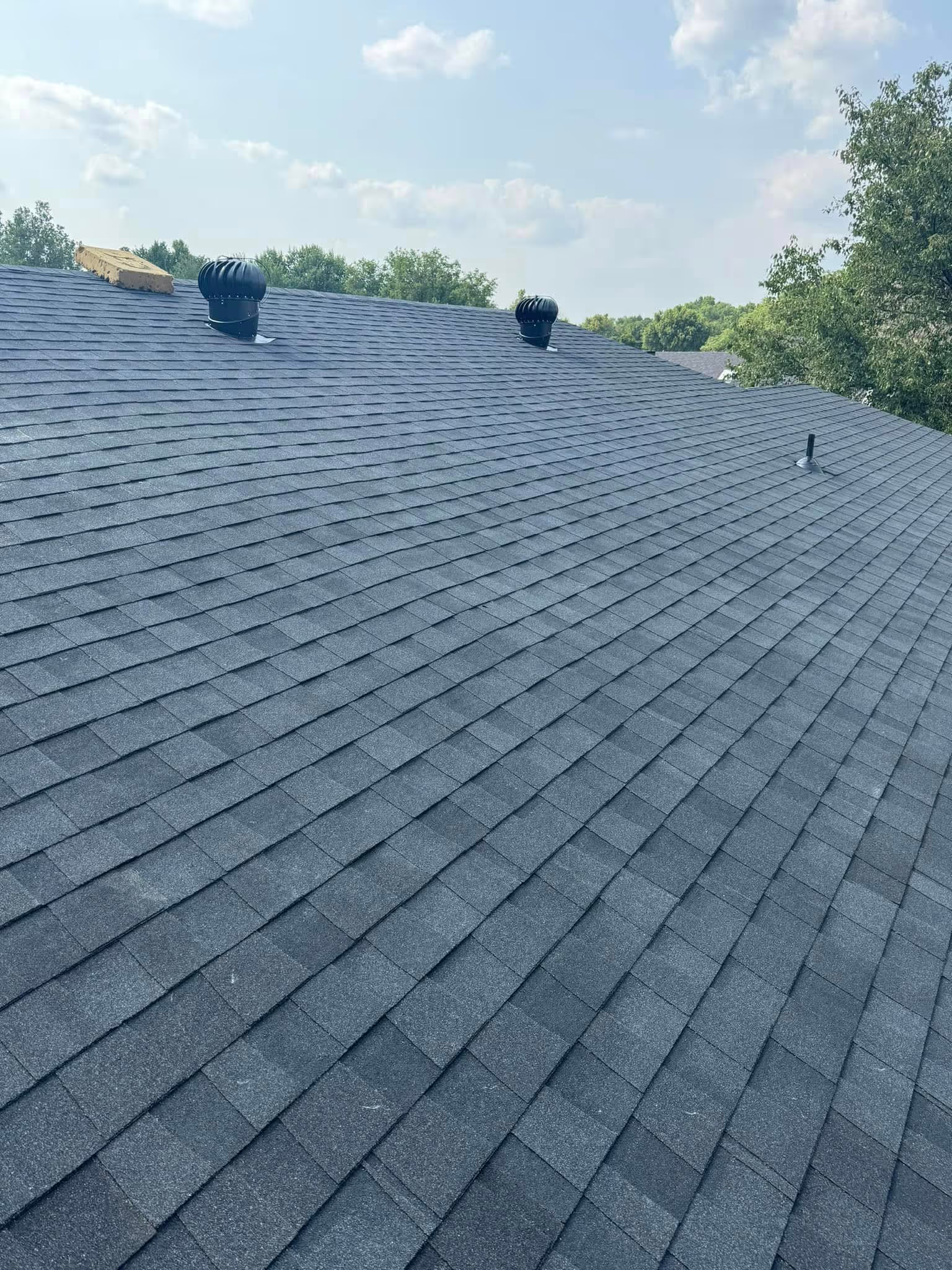
When you begin evaluating Commercial Roofing Contractors Oklahoma City, you’ll find that many companies claim to do it all. However, commercial systems like TPO, EPDM and modified bitumen call for different equipment, skills and credentials than residential shingles. A true commercial contractor doesn’t just “patch a leak”; they manage the whole roof assembly, from deck and insulation to membrane and drainage.
The Specialization Gap
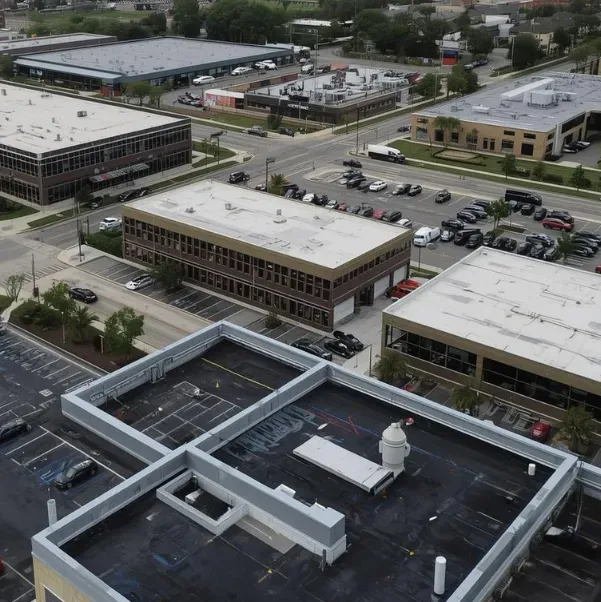
Commercial roofs are often low-slope or flat, so they can’t rely on gravity to shed water as quickly as a pitched home roof. That takes a solid grasp of tapered insulation and drainage to prevent ponding water, which adds heavy load to the structure and speeds membrane wear. Where a retrofit changes the roof’s slope or load, a structural engineer should check the dead load, uplift and load path first.
Strategic Material Selection for the Oklahoma Climate
Selecting a membrane is a decision that lasts decades. Published guides put typical life at 20 to 30 years for TPO and EPDM and 20 to 25 years for modified bitumen. In Oklahoma City, the sun is as much of an enemy as the hail, so a material that reflects UV while resisting punctures is key to longevity.
TPO: The King of Efficiency
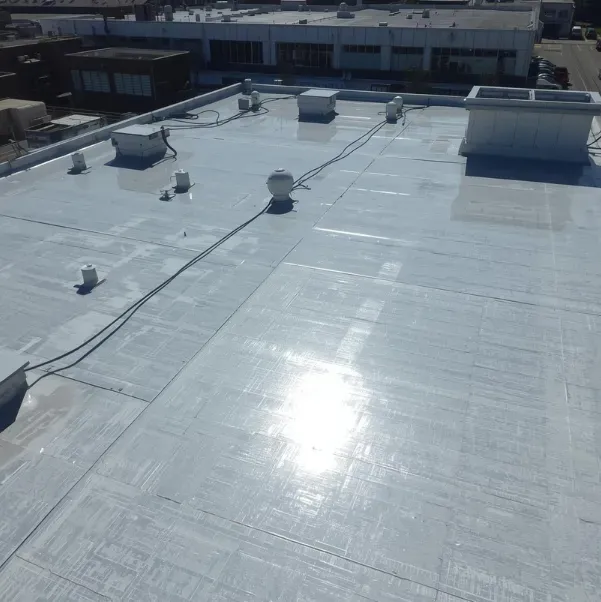
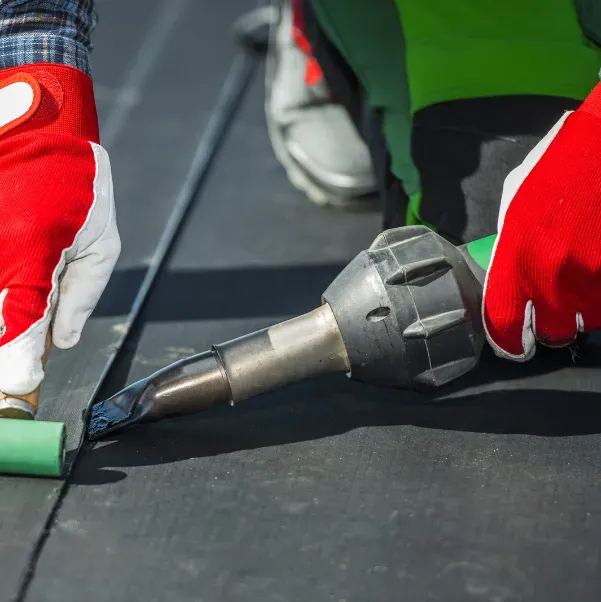
Thermoplastic Polyolefin (TPO) is a common choice in Oklahoma City because it addresses two of the state’s biggest threats: heat and wind. TPO is a “cool roof” material, usually white, that reflects sunlight and helps with cooling loads during a scorching August. Its seams are heat-welded into a continuous bond, which helps it resist the straight-line winds common on the Plains. Summer UV and heat in Oklahoma favor reflective white TPO and silicone coatings.
EPDM and Metal Retrofitting
For buildings that need flexibility, EPDM (rubber) remains a classic choice, though it lacks the reflectivity of white TPO. Many older commercial structures in the 405 also carry aging roofs that can be retrofitted rather than torn off. Coating restoration, a recover over the existing roof, or a metal frame-up can defer a full replacement at a fraction of the cost when the existing assembly is dry and sound. Our commercial roof retrofitting page explains when each route fits.
The Proactive Approach: Roof Ventilation Solutions for Industry
One of the biggest pain points for facility managers is the invisible damage caused by trapped moisture. Even on a flat roof, Roof Ventilation Solutions and moisture control are critical. If your building traps humidity from industrial processes or HVAC problems, that moisture can condense on the underside of the roof deck and lead to rust, mold and deck failure.
Trapped moisture also causes membrane blisters when it expands in summer heat. A moisture survey (infrared, nuclear or impedance, confirmed by core cuts) finds wet insulation before it spreads. Wet insulation must be cut out and replaced, not sealed over, and coatings fail on wet or unattached roofs.
Navigating the Complexity of Storm Damage Restoration
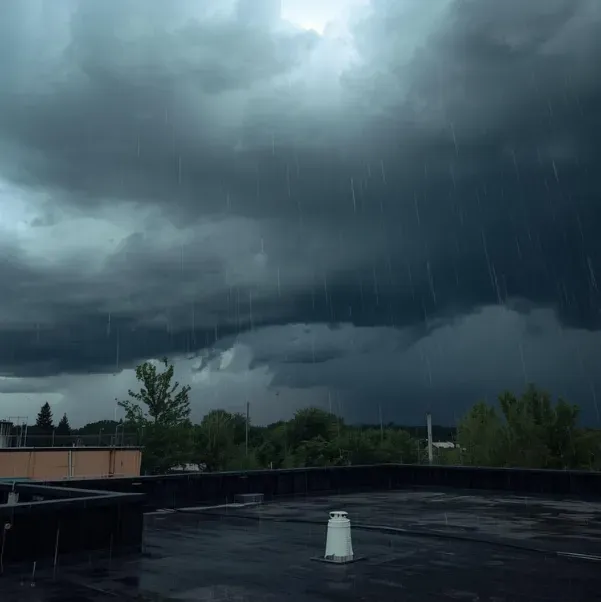
Oklahoma City sits in one of the most active hail regions in the country. When hail hits, the damage to a commercial roof is often subtle. Hail tends to fracture TPO over fastener plates and insulation joints, crush modified bitumen surfacing, and dent metal panels. Membrane fractures may not leak right away, so inspect after every significant event, such as the September 24, 2024 storm or the August 11, 2025 hail near Midwest City.
Professional Documentation
Storm Damage Restoration for commercial properties depends on documentation. Photos alone rarely tell the whole story on a low-slope roof; core cuts and a moisture scan show what is happening under the membrane. We inspect, document the damage with photos, meet your adjuster on the roof to show what we found, and submit supplements for line items in our estimate. Oklahoma law does not allow a roofer to negotiate your settlement or advocate coverage (36 O.S. §§6202, 6220). Disputed claims belong with a licensed public adjuster or coverage counsel. Our commercial storm damage restoration page covers the process in detail.
Commercial policies also more often carry cosmetic damage endorsements for metal roofs and percentage wind and hail deductibles. Read both before you file.
Minimizing Operational Downtime During Installation
For a business, the biggest cost of a new roof is often the disruption. A roofing project that blocks your loading docks or creates a safety hazard for customers is a failure of project management.
Before you sign, ask any contractor how they will stage materials, remove debris and schedule work around your peak hours. A retail center, an office park and a medical building each need a different plan, and a phased approach can keep operations running while the building is secured. That kind of planning is what separates strong Commercial Roofing Contractors Oklahoma City from the rest.
The Financial Logic of Class 4 Standards
While often associated with residential shingles, Class 4 impact-resistant shingles also apply to commercial steep-slope roofs, such as churches or office parks. Investing in Class 4 materials isn’t just about durability; it can be an insurance decision. The Oklahoma Insurance Department says many companies give a 25% discount for Class 4 shingles on homes, and commercial policies vary, so ask your carrier what it offers.
For low-slope roofs, IBHS recommends at least an FM 4470 Class 1-SH rating, and very-severe-hail assemblies where available. A high-density gypsum cover board and a fully adhered membrane remove the vulnerable fastener plates. Specify the whole tested assembly, not just membrane thickness, and weigh any premium credit against the cost of the upgrade.
Compliance and Safety: Protecting Your Liability
Hiring a contractor who isn’t properly registered with the Oklahoma Construction Industries Board (CIB) is a serious risk. Every roofer in Oklahoma must register with the CIB each year before advertising, offering or performing work. Commercial roofing also requires a separate commercial endorsement, which means passing an exam and carrying a higher general liability minimum than residential work. Verify both on the CIB’s online portal before any work starts.
Prodigy Restoration is registered with the CIB, BBB Accredited and an Owens Corning Preferred Contractor. We work from a permanent office at 7140 NW 112th St in Oklahoma City.
Making the Final Decision for Your Property
Your commercial roof protects your inventory, your employees and your livelihood. When you search for Commercial Roofing Contractors Oklahoma City, look for a team that understands the intersection of Oklahoma weather, insurance rules and roofing systems. Prodigy Restoration answers calls 24/7 and offers a free commercial roof inspection to start. Call us at (405) 730-5672 or fill out our contact form.
Frequently asked questions
What should I look for in a commercial roofing contractor in Oklahoma City?
Confirm active registration with the Oklahoma Construction Industries Board and the separate commercial roofing endorsement, which requires an exam and higher liability coverage. Then look for low-slope experience, a clear moisture-survey and documentation process, and a written plan for staging and downtime.
Which commercial roof membrane works best in Oklahoma?
It depends on the building. Reflective white TPO suits Oklahoma's summer heat and UV, EPDM offers flexibility, and modified bitumen is a proven option. Published guides put typical life at 20 to 30 years for TPO and EPDM. For hail, specify a tested assembly with a cover board rather than just a thicker membrane.
How do I know if hail damaged my flat roof?
Hail often fractures TPO over fastener plates and insulation joints, and those fractures may not leak right away. A proper inspection uses a moisture survey confirmed by core cuts, not just photos. Have the roof checked after every significant hail event.
What can a roofer do on my commercial insurance claim?
A roofer can inspect, document the damage and meet the adjuster to show it. Oklahoma law does not allow a roofer to negotiate the settlement or advocate coverage without a public adjuster license. Disputed commercial claims belong with a licensed public adjuster or coverage counsel.
Can I restore my commercial roof instead of replacing it?
Often, if the existing assembly is dry and sound. Coating restoration, a recover or a metal frame-up can defer a full tear-off. Coatings fail on wet or unattached roofs, and building code does not allow a recover over a water-soaked roof or one that already has two coverings, so a moisture survey comes first.
Prodigy Restoration
7140 NW 112th St, Oklahoma City, OK 73162